


Hurricane Melissa Jamaica catastrophe with 185 mph winds, massive flooding, and global relief efforts. Learn how to help survivors and the recovery path.
Hurricane Melissa Jamaica Devastation And Relief Efforts
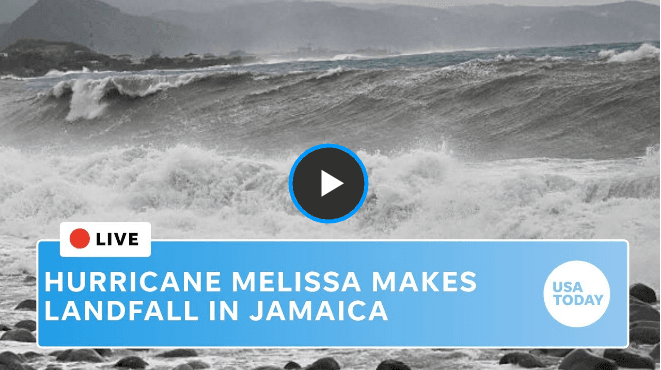
Hurricane Melissa Jamaica faced a catastrophic blow. This storm made history as the most powerful to ever strike the island. It made landfall with terrifying 185 mph winds. The impact has been devastating.
The storm caused catastrophic flash flooding and numerous landslides. It left hundreds of thousands without power. The road to recovery will be long and challenging.
This article provides a complete overview of the disaster. It covers the storm’s historic strength and its immediate effects. You will also learn about the ongoing global humanitarian response and how you can help.
A Storm of Historic Proportions
Hurricane Melissa was not just another storm. It was a record-breaking weather event. It set new benchmarks for intensity and destruction in the Atlantic basin.
The numbers associated with Melissa are staggering. Its 185 mph winds place it among the strongest hurricanes ever recorded. Its minimum central pressure dropped to a remarkable 892 millibars. This measurement makes it the fifth-strongest Atlantic storm by pressure ever recorded.
The table below shows how Melissa compares to other infamous hurricanes.
| Hurricane | Year | Max Sustained Winds | Minimum Pressure (mb) |
|---|---|---|---|
| Hurricane Melissa | 2025 | 185 mph | 892 |
| Hurricane Allen | 1980 | 190 mph | 899 |
| Hurricane Katrina | 2005 | 175 mph | 902 |
| Hurricane Gilbert | 1988 | 185 mph | 888 |
Meteorologists highlighted the storm’s worst-case combination of hazards. Melissa was both incredibly intense and very slow-moving. This is similar to Hurricane Harvey in 2017. The slow pace led to prolonged, torrential rainfall over Jamaica.
The World Meteorological Organization warned the system would bring three times the normal rainfall for a rainy month in Jamaica. This led to catastrophic flash flooding and numerous landslides in the island’s steep terrain.
Catastrophic Impact on Jamaica
Hurricane Melissa‘s damage in Jamaica is immense. The storm’s effects have touched every part of the island. The nation is now beginning the slow process of assessing the damage.
The human cost of the storm is still being calculated. Officials have confirmed at least three hurricane-related deaths in Jamaica. The storm was also blamed for three deaths in Haiti and one in the Dominican Republic.
Infrastructure across the island has been severely compromised. A massive power outage affected over 530,000 people. This left about 77% of the utility’s customers in the dark. Many roads were made impassable by floods and landslides.
The damage to healthcare facilities was significant. The Black River Hospital in southwestern Jamaica suffered roof damage and lost power. This forced the evacuation of 75 patients to safer locations.
The St. Elizabeth parish, known as Jamaica’s “breadbasket,” was hit exceptionally hard. Desmond McKenzie, Jamaica’s Minister of Local Government, reported that the entire parish was “underwater”. He described the damage there as “extensive.” This damage to the agricultural heartland threatens the nation’s food security.
The economic impact is expected to be profound. Prime Minister Andrew Holness noted that even Hurricane Beryl in 2024 had dragged down the country’s economic growth. He stated that the government should be able to manage a Beryl-level catastrophe, but that a larger event would require recrafting their response.
The Global Relief Effort Mobilizes
A major international humanitarian response is underway. Aid is coming from governments, international organizations, and private groups. The goal is to provide immediate assistance to those affected by the Hurricane Melissa Jamaica disaster.
The United Nations has launched a significant relief operation. The World Food Program (WFP) is coordinating a sea-lift from Barbados. This operation carries essential supplies from multiple UN agencies.
The UN Central Emergency Response Fund (CERF) allocated $4 million to preposition aid in Cuba and Haiti. This is part of an anticipatory action mechanism to get help where it’s needed fast.
The table below summarizes the prepositioned aid from UN agencies for the region.
Chef José Andrés’s World Central Kitchen was on the ground early. They partnered with local restaurants to serve hot meals to families in shelters even before the storm hit. They remain poised to scale up operations as conditions allow.
Other organizations are also mobilizing. Mercy Chefs is deploying to provide chef-prepared meals and clean water. The American Friends of Jamaica is actively raising money for its Disaster Relief Fund. The Miami Heat NBA team donated $1 million to Direct Relief for recovery efforts.
Community initiatives have also sprung up. In New Orleans, organizers of the postponed Reggae Fest quickly pivoted to host a Jamaica Benefit Dinner. One hundred percent of the proceeds are going to relief efforts.
How You Can Help Survivors
Many people around the world are asking how they can help. The most effective way is through donations to reputable organizations. These groups are already on the ground and have the experience to make a difference.
Here are some vetted organizations that are actively responding to the Hurricane Melissa, Jamaica crisis:
- World Central Kitchen: Provides meals to first responders and victims in affected areas. The organization is currently accepting donations to scale its efforts.
- Mercy Chefs: Deploys mobile kitchens to provide hot, chef-quality meals and clean water to displaced families and emergency workers.
- American Friends of Jamaica: Supports disaster relief efforts by channeling critical funding to trusted local partners on the ground in Jamaica.
- Direct Relief: Works to sustain healthcare access after the storm by supporting Jamaican health facilities, many of which are in coastal and low-lying areas.
The Jamaican government has also launched an official portal, supportjamaica.gov.jm, to centralize relief efforts and donations. This is a trusted source for those who wish to contribute directly to the government-led response.
The Path to Recovery
Recovering from a storm of this magnitude will be a marathon, not a sprint. The process has already begun, but officials warn it will be daunting and resource-draining.
The first priority is restoring basic services. Crews are already working to restore power, especially to critical facilities like hospitals and water pumping stations. Clearing roads of debris and landslides is also essential to allow aid to flow and communities to reconnect.
The long-term recovery will involve rebuilding homes, businesses, and critical infrastructure. The damage to St. Elizabeth parish, the nation’s breadbasket, is a major concern for food security and the economy. The tourism sector, a vital part of Jamaica’s economy, has also been severely impacted.
Prime Minister Holness has acknowledged the challenge. He stated that the country has insurance provisions and access to credit facilities to help fund the response. However, the scale of the damage will likely require significant international support.
Frequently Asked Questions
What was Hurricane Melissa’s maximum wind speed at landfall in Jamaica?
Hurricane Melissa made landfall in Jamaica with maximum sustained winds of 185 miles per hour. This made it a Category 5 hurricane, the most powerful to ever hit the island.
Which areas in Jamaica were worst hit by the hurricane?
The southwestern parish of St. Elizabeth was reported to be “underwater” and suffered extensive damage. This area is known as Jamaica’s breadbasket, so the impact on agriculture is severe. Widespread damage was reported across the island.
How can I help people affected by Hurricane Melissa in Jamaica?
The most effective way to help is by donating to established humanitarian organizations. Reputable groups include World Central Kitchen, Mercy Chefs, the American Friends of Jamaica, and Direct Relief. The Jamaican government also has an official donation portal at supportjamaica.gov.jm.
What made Hurricane Melissa so dangerous?
Hurricane Melissa was exceptionally dangerous due to a combination of catastrophic winds and extremely heavy, prolonged rainfall. Its slow movement over Jamaica led to rainfall totals potentially reaching 40 inches, causing devastating flash floods and landslides.
Is there a threat to the United States from Hurricane Melissa?
According to forecast reports, there is no indication of a threat to the U.S. mainland from Hurricane Melissa. The storm’s projected path was expected to take it across Cuba and the Bahamas before moving into the open Atlantic.